

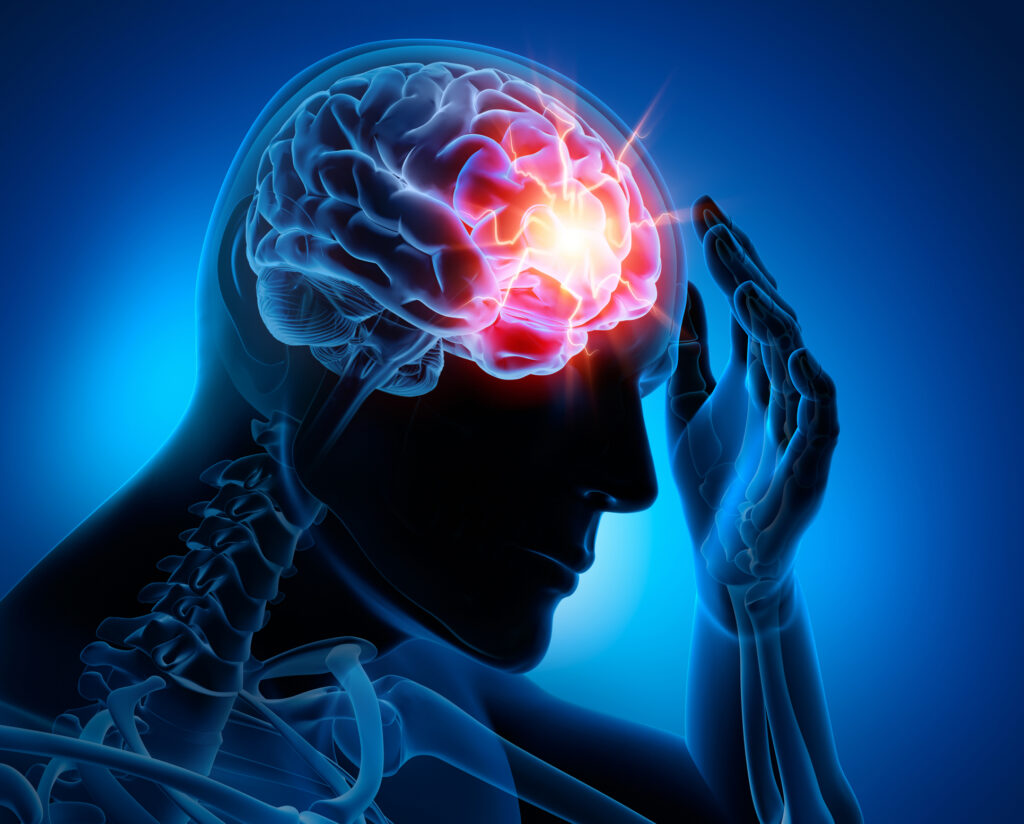
One of the most serious injuries you or a loved one can suffer in an accident in Georgia is a brain injury. These injuries can disrupt how the brain functions and may lead to long-term or even permanent complications. What makes them especially dangerous is that symptoms are not always obvious right away.
If you have experienced head trauma in a car accident, fall, or another incident, recognizing the early signs of a brain injury can help you seek timely medical care and avoid more serious complications.
What Is a Traumatic Brain Injury (TBI)?
A traumatic brain injury (TBI) occurs when an external force impacts the brain. This can happen when your head is struck, when your brain moves violently within the skull, or when an object penetrates the skull.
TBIs are common in accidents involving sudden acceleration or deceleration, such as car crashes or slip and falls. Even a seemingly minor blow to the head can cause a concussion, which is considered the mildest form of TBI.
Brain injuries can affect how you think, feel, and function. They may cause chemical changes in the brain that interfere with memory, mood, and physical abilities. Depending on the severity, symptoms can be temporary or long-lasting.
Why Early Symptoms of a Brain Injury Are Easy To Miss
Brain injury symptoms are often subtle in the early stages. After an accident, adrenaline can mask pain and discomfort, making it easy to overlook warning signs.
Some people assume their symptoms are simply stress-related or part of normal recovery. Others may not notice cognitive changes, such as confusion or slowed thinking, until hours or days later.
Because of this delayed onset, it’s important to monitor your condition closely after any head injury—even if you initially feel fine.
Common Early Signs of a Brain Injury
Early symptoms of a brain injury can vary widely depending on the individual and the severity of the injury. These symptoms typically fall into physical, cognitive, and emotional categories.
Physical Symptoms
Some of the most noticeable early warning signs affect the body. These may include:
- Persistent headaches or pressure in the head
- Nausea or vomiting
- Dizziness or loss of balance
- Blurred vision or sensitivity to light
- Fatigue or unusual drowsiness
- Ringing in the ears
These physical symptoms may seem minor at first, but they can signal that the brain has been affected and should be evaluated by a medical professional.
Cognitive Symptoms
Brain injuries often affect how you think and process information. You may experience:
- Confusion or disorientation
- Difficulty concentrating
- Memory loss, especially about the accident
- Slower thinking or delayed reactions
- Feeling mentally “foggy”
Even subtle cognitive changes can interfere with daily functioning and may worsen without proper medical attention.
Emotional and Behavioral Changes
Changes in mood or behavior can also signal a brain injury. These may include:
- Irritability or mood swings
- Anxiety or depression
- Sleep disturbances, such as sleeping more or less than usual
- Unusual emotional reactions
These symptoms are often overlooked, but they can be just as important as physical signs when identifying a brain injury.
Warning Signs That Require Immediate Medical Attention
Some symptoms may indicate a more severe brain injury and require emergency care. If you or a loved one experiences any of the following, seek immediate medical attention:
- A headache that worsens or does not go away
- Repeated vomiting
- Slurred speech
- Seizures or convulsions
- One pupil appearing larger than the other
- Weakness, numbness, or decreased coordination
- Loss of consciousness, even briefly
- Significant or sudden behavioral changes
These red flags may signal serious complications, such as brain swelling or bleeding, and should never be ignored.
Contact Malone Law Medical Malpractice and Severe Injury Lawyers To Schedule a Free Case Review With an Atlanta Brain Injury Attorney
Recognizing the early signs of a brain injury after an accident can make a meaningful difference in your recovery. Even symptoms that seem minor—such as headaches, confusion, or fatigue—may indicate a more serious underlying issue. Because brain injuries can worsen over time, paying attention to changes in how you feel and seeking prompt medical care is essential.
If you’ve suffered a brain injury in an accident in Georgia, contact Malone Law Medical Malpractice and Severe Injury Lawyers for help today. We offer a free consultation with an Atlanta brain injury lawyer.
We proudly serve in Fulton County.
Malone Law Medical Malpractice and Severe Injury Lawyers
2 Ravinia Dr NE Suite 300
Atlanta, GA 30346
(770) 390-7550
Social Media