



An amputation is one of the most catastrophic injuries you can suffer. If you lost a limb in Atlanta, Georgia, and someone else was responsible, call Malone Law Medical Malpractice and Severe Injury Lawyers at (770) 390-7550 for a free consultation today. An experienced Atlanta amputation injury lawyer can help you fight for compensation.
Our attorneys have over 50 years of experience handling complex personal injury cases. We’ve successfully recovered hundreds of millions of dollars for injury victims and their families.
You’ve gone through an extreme trauma. Reach out to our law office in Atlanta to schedule a free consultation with our team today.
Why Choose Malone Law Medical Malpractice and Severe Injury Lawyers to Help After an Amputation Injury in Atlanta?

Recovering from an amputation can be physically, emotionally, and financially overwhelming. When someone else caused your injury, you shouldn’t have to bear the financial consequences alone. Injured clients in Atlanta, GA, have trusted Malone Law Medical Malpractice and Severe Injury Lawyers for decades. We have a proven track record of taking on complex cases and winning top results.
For our success, our Atlanta personal injury lawyers have been rated by:
Our team is led by board-certified civil trial lawyer Adam Malone. He has achieved multiple record-setting results for injury victims. We know that recovering the maximum compensation possible can be crucial to your future. You can count on our Atlanta personal injury attorneys to devote all of our efforts to your case.
Time is always limited after an injury. We work on contingency, so there’s no risk in calling today to schedule a free consultation.
What Are the Different Types of Amputation Injuries?
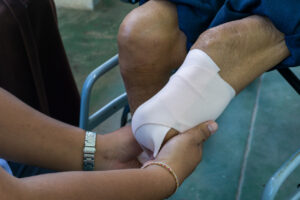
An amputation is the loss of a limb, hand, foot, or other body part. The result is the same–the victim has lost a critical body part. Still, there are classifications to consider. Amputations can occur in two basic ways: in a traumatic event or via a surgical removal.
Traumatic Amputations
Many amputations occur because of a traumatic accident or event. The trauma of the accident causes the body part to become torn or separated from the body. In some cases, it may be possible for a surgical team to reattach–or “replant”–the severed body part. In other cases, the damage is much too severe.
Factors that can be relevant in determining whether reattachment is possible include:
- Damage to the amputated body part
- Damage to the remaining stump
- The potential for infection, and whether the wounds have become contaminated
- Viability of the nerves and blood vessels
Even when reattachment is possible, victims often struggle with painful recovery and rehabilitation. Multiple surgeries may be necessary to restore the connections between the body and the severed body part.
Surgical Amputations
Surgical amputations are typically a matter of last resort. A surgeon may have no choice but to remove the body part to save your life. The body part is removed to save the rest of your body from a life-threatening complication.
For example, assume a body part is badly crushed in an accident. Your doctor may recommend amputation to prevent the surrounding tissue from dying. Surgical amputations can also be performed to prevent the spread of severe and uncontrollable infection.
The surgeon will cut through the bone to remove the damaged body part. They may then reshape the remaining muscle and tissue to allow for the use of a prosthesis. Surgical amputations may take place in stages, as the surgeon monitors your progress and any complications.
Partial Versus Complete Amputations
Separation of the body part from the body can also be partial or complete:
- Partial amputations: With a partial amputation, the body part may remain connected by bone or connective tissue. Surgical reattachment may be possible, depending on the severity of the injury
- Complete amputations: With complete amputations, the entire body part is completely severed from the body
It’s also important to consider complications associated with an amputation. That’s true whether the amputation is partial or complete. In some cases, a surgical amputation may be necessary to completely sever a body part that has been partially detached.
Common Causes of Amputation Injuries in Atlanta, GA

Common causes of amputations include traumatic accidents and diseases. More specifically, amputations may result from:
- Motor vehicle accidents, including car accidents, large truck accidents, and motorcycle wrecks
- Accidents involving pedestrians, bicyclists, or e-scooters
- Dangerous property conditions
- Workplace accidents, including construction accidents and industrial accidents
- Accidents involving workplace machinery
- Defective products (product liability)
- Medical malpractice
- Agricultural accidents
- Elevator accidents
- Diabetes, vascular diseases, cancer, and other diseases
- Firearm violence
- Electrocution
- Crushing accidents resulting in crushed bones that cannot be repaired
- Serious nerve damage that results in paralysis of the limb
Regardless of how your amputation injury occurred, you deserve to understand your legal rights. If you’re struggling in the wake of an amputation injury, call our law firm today. We offer free case reviews, and there’s never any obligation.
What Damages Can I Receive in an Amputation Injury Claim?

An amputation injury will have both immediate and long-term consequences. Amputation injuries can be classified as catastrophic. By definition, the injury is permanent. By filing a personal injury claim, you can seek compensation for every loss you’ve experienced.
Economic damages are awarded to cover your financial costs, including:
- Current medical expenses
- Anticipated ongoing medical costs, including the cost of repeat surgeries, prostheses, rehabilitation, therapies, etc.
- Lost wages
- Lost future earning capacity
- Vocational rehabilitation if you can’t return to your prior work
- Home and vehicle modifications
- Skilled nursing care
- Mental health treatment
- Property damage
Non-economic damages compensate for personal losses, including:
- Pain and suffering
- Emotional distress
- Depression
- PTSD
- Chronic pain/phantom limb syndrome
- Diminished quality of life
- Humiliation
- Damage to relationships
The physical, mental, and financial consequences of an amputation cannot be understated. Our attorneys are prepared to help you fight for every available dollar.
Who Is Liable for an Amputation?

Liability will hinge on how your injury occurred–and who was responsible. Examples of liable parties might include:
- A negligent driver who caused a car crash
- The employer of the person who caused your injuries, if they were working at the time
- A property owner who failed to maintain safe premises
- Manufacturers of defective and dangerous products, equipment, or tools
- Government authorities
- Medical providers who committed malpractice
Victims can also share fault for an amputation injury. Georgia follows a modified comparative negligence law. If the other side can prove you shared some fault, your compensation can be reduced. If you are 50% or more at fault, you cannot recover damages.
Amputation Injury FAQ
Do I Qualify To File an Amputation Lawsuit?
If someone else was responsible for your injury, you likely have the right to sue for damages.
Victims in Georgia have the burden of establishing their right to compensation. Most victims must prove the defendant was negligent to recover damages. People are negligent when they ignore their responsibility to use a reasonable amount of caution.
Our lawyers will carefully evaluate the facts during your free consultation. Once we understand the details, we can help you understand your options for seeking compensation.
How Long Do I Have To File an Amputation Injury Lawsuit in Georgia?
The statute of limitations in Georgia personal injury cases is two years. Medical malpractice victims in Georgia also have two years to file a lawsuit.
If you don’t file your lawsuit within two years of the injury, you may lose your right to the money you deserve.
Will My Case Go to Trial?
While it’s always possible, most personal injury cases don’t go to trial. Experienced attorneys are often able to negotiate full settlements without the need for a lengthy trial.
That said, amputation injury cases can be particularly complicated. The injuries are permanent and will continue to impact you for the rest of your life. Your compensation award must account for all of your future needs. A trial can be necessary to resolve complex and contested issues.
Regardless, trial should always be on the table. Trial is what motivates a defense team to negotiate in good faith. Trial can also give a victim a sense of justice. It’s important to work with a legal team that has a proven track record of winning at trial.
Contact Our Skilled Atlanta Amputation Injury Lawyers for a Free Consultation
Have you recently lost a limb or body part in Atlanta, Georgia? Your life may be changing in ways you couldn’t have anticipated. Filing a personal injury claim may be the best way to help you get the money you need to move forward with your life. Working with an experienced Atlanta amputation injury attorney is the best way to ensure you get the compensation you deserve.
Our attorneys at Malone Law Medical Malpractice and Severe Injury Lawyers have decades of experience handling complex legal matters. We’ll stand by your side and fight for you at every turn. To learn more about your legal rights and options, call us today for a free consultation.
Social Media