
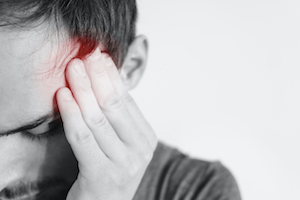
Many people wonder whether brain injuries can change someone’s personality. They can, and these personality changes are often temporary or treatable. However, in some cases, the changes are long-term or even permanent.
Personality changes from a brain injury can affect a person’s perceptions, information processing, and behavior. Traumatic injuries may also trigger related conditions, such as post-traumatic stress disorder (PTSD) or depression, even when the trauma doesn’t permanently damage the brain.
Here’s a closer look.
What Parts of the Brain Control Personality?
Personality is influenced by several regions of the brain that regulate emotions, memory, decision-making, and social behavior. An injury affecting these areas can change how a person thinks, feels, and interacts with others.
Some of the brain regions involved in personality include:
- Amygdala: Helps process emotions, particularly fear and anger
- Hypothalamus: Regulates stress responses, hormones, and basic bodily functions
- Hippocampus: Plays an important role in memory formation and emotional processing
- Prefrontal cortex: Helps control judgment, decision-making, impulses, and social behavior
- Basal ganglia: Contribute to motivation, behavior, and emotional regulation
- Posterior superior temporal sulcus and fusiform face area: Help process facial expressions, faces, and social information
Damage to these regions can affect different aspects of personality. However, the resulting changes depend on the location and severity of the injury.
How Brain Injuries Can Affect Personality
Brain injuries can affect personality in two primary ways. First, an injury can damage or destroy brain regions responsible for emotions, behavior, and other aspects of personality.
Second, a brain injury can damage the connections between these regions, interfering with how they communicate. For example, the thalamus helps relay information between different parts of the brain, including areas involved in emotional processing.
Damage to these pathways may disrupt how the brain processes emotions, interprets social situations, and regulates behavior. As a result, someone who was previously calm and patient may become irritable, impulsive, or emotionally unpredictable.
Personality Changes Commonly Related To Brain Injuries
The effects of a brain injury can extend beyond physical and cognitive difficulties. Changes in emotional regulation, judgment, and behavior may also affect a person’s personality.
Common changes include:
- Emotional outbursts: Difficulty controlling anger, frustration, sadness, or other emotions
- Impulsive behavior: Acting without considering consequences or social expectations
- Social withdrawal: Avoiding interactions with friends, family members, or coworkers
- Reduced empathy: Difficulty recognizing or responding appropriately to others’ emotions
- Mood swings: Experiencing sudden or unpredictable emotional changes
- Loss of motivation: Showing less interest in hobbies, relationships, or daily responsibilities
- Memory-related changes: Difficulty connecting emotions to memories or past experiences
Brain injury survivors may also experience depression, anxiety, sleep disturbances, and PTSD. These conditions can further influence mood and behavior.
Although many of these symptoms involve emotional or behavioral difficulties, loved ones may interpret them as changes in the injured person’s personality.
Are Personality Changes After a Brain Injury Permanent?
Personality changes after a brain injury may be temporary or permanent, depending on the severity and location of the damage. Some people experience gradual improvement as their brains heal, while others face lasting difficulties.
The brain has some ability to reorganize itself and develop new connections, a process known as neuroplasticity. However, recovery can take time, and not everyone returns to their previous level of functioning.
Treatment may help manage personality changes and improve daily life. Depending on the symptoms, treatment options may include:
- Cognitive rehabilitation
- Behavioral therapy
- Psychological counseling
- Medication to manage certain symptoms
- Occupational therapy
- Support from family members and caregivers
People with mild traumatic brain injuries may experience significant improvement over time, while more severe injuries can cause long-term changes that require ongoing treatment and support.
Contact Malone Law Medical Malpractice and Severe Injury Lawyers To Schedule a Free Consultation With an Atlanta Medical Malpractice Attorney
A brain injury can change a person’s personality by affecting the areas of the brain responsible for emotions, decision-making, and social behavior. These changes may include mood swings, impulsive behavior, irritability, and social withdrawal. While some personality changes improve with treatment and time, others can be permanent, particularly after a severe brain injury.
If you or a loved one has experienced personality changes due to a brain injury caused by someone else’s negligence, Malone Law Medical Malpractice and Severe Injury Lawyers can help you understand your legal options. Contact our Atlanta medical malpractice lawyers today to schedule a free consultation.
We proudly represent injury victims across Fulton County, including Atlanta and surrounding communities in Georgia.
Malone Law Medical Malpractice and Severe Injury Lawyers
2 Ravinia Dr NE Suite 300
Atlanta, GA 30346
(770) 390-7550
Social Media