


Cerebral hypoxia is a serious medical condition that occurs when the brain does not get enough oxygen. This lack of oxygen can cause permanent brain damage or even death. In many cases, cerebral hypoxia happens suddenly. In cases of medical malpractice, a birth injury, or other accident, this condition is often caused by someone’s negligence.
If you or a loved one has suffered from cerebral hypoxia due to someone else’s negligence, it’s important to know your legal rights and understand the medical condition fully. This knowledge can help ensure you receive proper compensation and care.
What Is Cerebral Hypoxia?
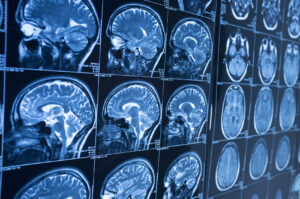
Cerebral hypoxia is a brain injury that happens when the oxygen flow to the brain is reduced. The brain needs a constant supply of oxygen to function. When that supply is cut off—even for just a few minutes—brain cells can die. This damage can be mild, moderate, or severe depending on how long the brain goes without oxygen.
There are four main types of cerebral hypoxia:
- Diffuse cerebral hypoxia: From mild lack of oxygen to the brain.
- Focal cerebral ischemia: Oxygen loss in a specific area of the brain.
- Global cerebral ischemia: Complete oxygen loss to the entire brain.
- Cerebral infarction: A stroke caused by a blockage or lack of blood flow.
Each type can have profound effects and may require long-term treatment or care.
What Can Cause Cerebral Hypoxia?
Cerebral hypoxia can be caused by many situations where the brain doesn’t get enough oxygen, including:
- Birth injuries: During labor and delivery, if a baby’s oxygen supply is interrupted, it can lead to hypoxic brain injury. This can happen if doctors fail to monitor the baby’s oxygen levels properly.
- Medical malpractice: Mistakes during surgery, improper use of anesthesia, or failure to respond to a patient in respiratory distress can all lead to cerebral hypoxia.
- Drowning or near-drowning: These situations can deprive the brain of oxygen for several minutes.
- Choking or suffocation: Airway blockages can stop oxygen from reaching the lungs and brain.
- Cardiac arrest: When the heart stops pumping, oxygen stops reaching the brain.
- Traumatic or catastrophic injuries: Severe head trauma or neck injuries can block airways or damage blood vessels, limiting oxygen flow.
In many of these situations, cerebral hypoxia may be preventable. If it occurs due to someone else’s negligence, there may be grounds for a medical malpractice claim.
Signs and Symptoms of Cerebral Hypoxia
The symptoms of cerebral hypoxia can vary depending on how long the brain was without oxygen and how severe the damage is. Brain cells are extremely sensitive to oxygen deprivation and can begin to die within five minutes without oxygen. Prolonged hypoxia can lead to coma, seizures, or brain death.
Symptoms may include:
- Loss of consciousness
- Confusion or disorientation
- Seizures
- Memory loss
- Trouble with coordination and balance
- Difficulty speaking or understanding
- Vision problems
It is important to seek medical attention right away if someone shows any of these signs after an accident or injury. Early diagnosis and treatment may help reduce long-term damage.
Long-Term Complications of Cerebral Hypoxia
Cerebral hypoxia can have lasting effects on a person’s life. In mild cases, a person may recover with little to no long-term issues. However, in more serious cases, the brain may be permanently damaged.
Long-term complications include:
- Cognitive disabilities
- Speech and language problems
- Movement disorders or paralysis
- Emotional and behavioral changes
- Chronic seizures
- Persistent vegetative state
These issues often require years of rehabilitation, therapy, and medical care. Families may also face high costs for home care, special equipment, and loss of income. For victims and their families, the physical, emotional, and financial impact can be overwhelming.
What Compensation Is Available to Cerebral Hypoxia Victims in Georgia?
If cerebral hypoxia occurred because of medical malpractice, a birth injury, or a preventable accident, you may be entitled to compensation. A skilled Atlanta personal injury attorney can help determine if you have a valid claim and what damages you may be entitled to.
You may be able to recover damages for:
- Medical bills
- Future medical care
- Lost wages
- Pain and suffering
- Loss of quality of life
- Wrongful death (in fatal cases)
Proving negligence in cerebral hypoxia cases often requires expert testimony, medical records, and detailed investigations. That’s why it’s crucial to work with an experienced Atlanta personal injury lawyer who understands both the medical and legal aspects of these cases.
Contact Malone Law Medical Malpractice and Severe Injury Lawyers Today for a Free Consultation With Our Atlanta Medical Malpractice Attorneys
Cerebral hypoxia is a serious and sometimes preventable condition. When it happens because of someone else’s negligence or a medical mistake, the results can change your life forever. Knowing your legal rights is the first step toward healing and justice.
If you believe your loved one suffered from cerebral hypoxia due to negligence, don’t wait. Call the Atlanta medical malpractice lawyers at Malone Law Medical Malpractice and Severe Injury Lawyers today at (770) 390-7550 to discuss your case and explore your options.
Social Media